
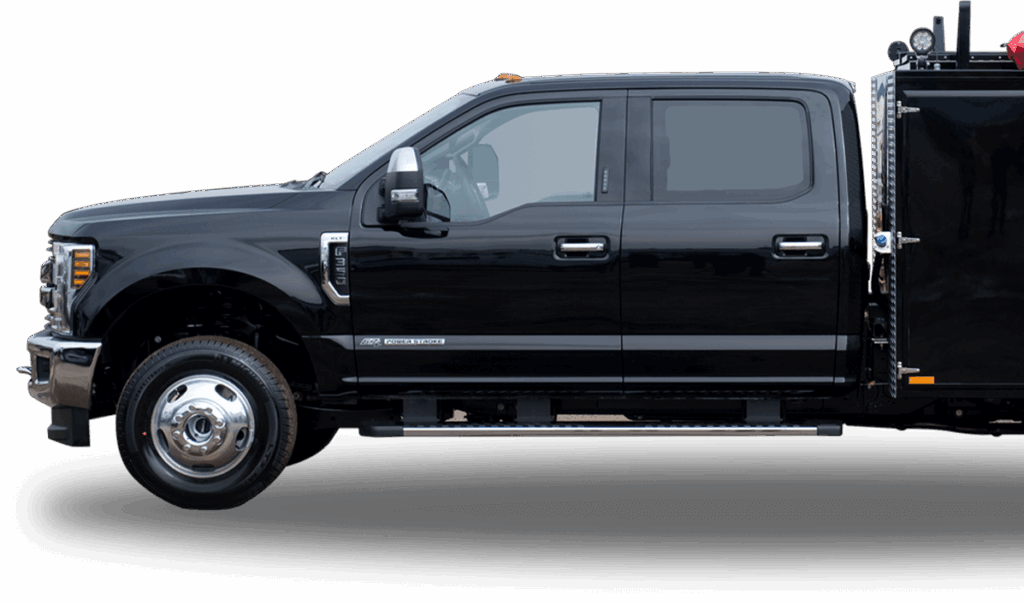
Truck Decks Explained: Choosing the Right Deck for Your Work Truck
Truck Decks Explained: Choosing the Right Deck for Your Work Truck
The right truck deck can turn a standard chassis into a highly capable working asset. The wrong configuration can create daily frustrations, limit payload flexibility, make loading more difficult, and leave operators working around a truck that was never properly configured for the job.
For businesses operating throughout Alberta, Saskatchewan, and Western Canada, truck decks need to perform under demanding conditions. Construction materials, tools, equipment, agricultural supplies, machinery components, pallets, jobsite materials, and other commercial loads all place different demands on a work truck.
That is why choosing between different truck decks, flatbed truck bodies, gooseneck configurations, and customized deck layouts should start with one question:
What does this truck actually need to accomplish every day?
At General Body & Equipment, that question is central to the process.
With decades of experience building commercial truck bodies for Canadian businesses, General Body works with customers to develop truck deck configurations around real operational requirements. From straightforward flat decks to more specialized configurations incorporating storage, towing provisions, lighting, access features, and other equipment, the objective is to create a truck that works effectively in the environment where it will actually be used.
This guide examines the major considerations when selecting a truck deck and explains how businesses can identify the configuration that best fits their hauling requirements.
Why Choosing the Right Truck Deck Matters
A truck deck may appear relatively simple compared with a fully enclosed service body or crane-equipped truck, but its configuration has a significant effect on how efficiently the vehicle can be used.
Deck dimensions, materials, storage, load access, tie-down locations, towing requirements, lighting, payload considerations, and equipment placement can all influence the truck’s day-to-day performance.
A properly planned deck can help a business:
- Improve loading and unloading efficiency
- Carry a wider range of materials and equipment
- Make better use of available chassis capacity
- Improve access to frequently used tools
- Support towing requirements
- Keep equipment organized
- Reduce unnecessary handling
- Improve long-term versatility
- Adapt the vehicle to specific operational requirements
For businesses running multiple vehicles, these improvements can become even more important.
Small inefficiencies repeated across several trucks, multiple employees, and hundreds of working days can add up quickly. A well-planned truck body helps make the vehicle a productive part of the workflow rather than simply a platform for carrying material.
Start With the Work, Not the Truck Deck
One of the most important steps when choosing a truck deck is resisting the temptation to begin with appearance.
A deck can look impressive and still be poorly suited to the work.
Instead, begin by defining the truck’s operating requirements.
What Will the Truck Carry?
Consider both the typical load and the largest or most unusual loads the truck is expected to transport.
Ask questions such as:
- Are loads primarily palletized?
- Will the truck carry lumber, pipe, equipment, machinery, tools, or bulk materials?
- How frequently will forklifts load the deck?
- Will materials be loaded from the side?
- Will equipment regularly extend beyond the deck?
- Are loads typically concentrated in one area?
- Does the operator require permanent onboard storage?
- Will the truck tow trailers?
- Does the deck need to accommodate changing loads throughout the week?
These questions can immediately begin narrowing the available options.
A truck carrying pallets between facilities may need something very different from a truck supporting a mobile crew or hauling equipment to remote worksites.
Understanding Flat Deck Truck Bodies
A flat deck truck body is one of the most versatile commercial truck configurations available.
Rather than surrounding the cargo area with permanent walls, a flat deck provides an open working platform that can accommodate materials and equipment of different dimensions.
This flexibility makes flat decks useful across a broad range of commercial applications throughout Western Canada.
Why Businesses Choose Flat Decks
The primary advantage is accessibility.
Depending on the final configuration, materials may be loaded from the rear, either side, or from above. This can make forklift loading, crane loading, and manual loading considerably easier than with an enclosed cargo area.
Flat decks can be particularly useful when businesses regularly transport:
- Building materials
- Equipment
- Machinery components
- Pallets
- Tools
- Agricultural supplies
- Fabricated components
- Maintenance equipment
- Oversized materials
The open configuration also provides flexibility when the truck’s load changes frequently.
Instead of dedicating the vehicle to one narrow purpose, the deck can support multiple hauling requirements.
Standard Flat Decks Versus Custom Truck Decks
Not every business requires an extensively customized truck body.
For straightforward hauling applications, a relatively simple flat deck configuration may provide everything required.
However, when a vehicle performs specialized work, customization can significantly improve functionality.
When a Standard Configuration Makes Sense
A straightforward deck may be appropriate when the vehicle primarily transports predictable loads and does not require extensive onboard equipment.
The priority may simply be:
- A durable deck surface
- Reliable tie-down locations
- Appropriate lighting
- Practical access
- Suitable dimensions
- Strong construction
Keeping the configuration simple can provide a highly functional work truck without adding unnecessary components.
When Customization Adds Value
Customization becomes increasingly valuable when the truck performs several tasks or supports specialized operations.
A custom truck deck can potentially incorporate features such as:
- Toolboxes
- Underbody storage
- Headache racks
- Side storage
- Tie-down points
- Stake pockets
- Lighting packages
- Trailer connections
- Gooseneck towing provisions
- Steps and access points
- Equipment mounting locations
- Mud flaps and protective components
- Additional job-specific accessories
The goal is not to add features simply because they are available.
Every component should serve a practical purpose.
A good truck deck builder should help the customer identify which features improve the vehicle and which ones would simply add unnecessary complexity.
Gooseneck Truck Body Configurations
For businesses that regularly tow compatible trailers, a gooseneck truck body configuration may be an important consideration.
Gooseneck towing places the trailer connection within the truck bed or deck area rather than behind the rear bumper. This means the deck and towing system need to be planned together.
Simply adding towing equipment after the truck body has been completed may not provide the most practical configuration.
Planning Around Gooseneck Towing
If gooseneck towing is part of the truck’s intended use, it should be identified early in the planning process.
The overall layout may need to account for:
- Hitch location
- Deck clearance
- Trailer movement
- Storage placement
- Access requirements
- Electrical connections
- Safety chains
- Payload and towing requirements
Storage compartments and other accessories must be positioned so they do not interfere with trailer operation.
This is an example of why truck body planning should begin with the complete use case rather than individual accessories.
Choosing Deck Materials
Material selection influences several aspects of a truck deck, including weight, durability, maintenance, corrosion resistance, and long-term operation.
There is no universal material choice that is ideal for every application.
The correct decision depends on how the truck will be used.
Steel Truck Decks
Steel has long been used in commercial truck body construction because of its strength and suitability for demanding work environments.
For operations where ruggedness and durability are major priorities, steel may provide an effective solution.
The complete configuration, coating system, expected operating environment, payload requirements, and maintenance practices should all be considered when evaluating a steel deck.
Aluminum Truck Decks
Aluminum can offer advantages where weight and corrosion resistance are significant considerations.
Reducing truck body weight may provide additional flexibility within the vehicle’s available payload capacity, depending on the chassis and completed configuration.
However, the decision should not be based on weight alone.
The expected loads, working environment, equipment mounting requirements, repair considerations, cost, and anticipated service life should all be evaluated.
Choosing Based on the Application
Rather than asking, “Which material is better?” a more useful question is:
Which material is better for this particular truck and its intended workload?
That distinction matters.
Truck body selection should be application driven.
Payload Should Be Considered Early
Payload capacity is one of the most important factors in any commercial truck body project.
Every component installed on the chassis contributes weight.
The deck itself, storage compartments, towing equipment, accessories, tools, cargo, passengers, and other equipment all need to be considered within the vehicle’s applicable weight ratings.
This is why adding every available feature is not always the best approach.
A highly customized truck is only useful when the completed configuration remains appropriate for its intended operation.
Customers should consider their expected operating load early and discuss those requirements during the truck body planning process.
Storage Can Transform a Flat Deck
An open deck provides hauling flexibility, but many businesses also need secure storage.
Strategically placed storage can create a hybrid work truck that provides open cargo capacity while keeping tools and equipment organized.
Underbody Toolboxes
Underbody storage can use otherwise available space without unnecessarily consuming the main deck area.
Depending on the chassis and configuration, these compartments may be useful for:
- Hand tools
- Chains
- Straps
- Hitches
- Safety equipment
- Smaller accessories
- Frequently used supplies
Above-Deck Storage
Above-deck storage can provide greater capacity where appropriate, but it needs to be positioned carefully.
Large compartments may reduce side access or interfere with oversized cargo.
The right balance depends on whether the vehicle’s priority is maximum open deck area, equipment organization, or a combination of both.
Think About How the Truck Is Loaded
Loading method is one of the most overlooked factors when selecting a deck.
Two businesses may carry exactly the same material but require different decks because they load their trucks differently.
Forklift Loading
If forklifts regularly load the truck, side and rear accessibility can become particularly important.
Storage, racks, and permanent equipment should be positioned so they do not unnecessarily restrict loading.
Overhead Loading
If materials are loaded using lifting equipment, the truck may need an unobstructed deck area and properly planned securement locations.
Manual Loading
For operators frequently climbing onto and off the deck, access points become increasingly important.
Steps and other access features can improve usability when properly integrated into the overall design.
The best configuration reflects the actual movement of people, cargo, tools, and equipment throughout the working day.
Load Securement Needs to Be Part of the Design
Cargo securement should never be treated as an afterthought.
The types of materials transported will influence where tie-down points and other securement features are most useful.
A truck carrying palletized materials may have different requirements from one carrying machinery, long materials, or irregular equipment.
Planning securement locations around typical cargo can make the truck considerably easier to use.
The objective is straightforward: provide practical securement options where operators actually need them.
Building for Canadian Working Conditions
Truck decks used in Alberta and Saskatchewan face conditions that can be difficult on commercial equipment.
Winter temperatures, road contaminants, snow, ice, moisture, gravel, dust, and significant seasonal temperature changes all affect work vehicles.
A truck body intended for Western Canada should therefore be planned with its operating environment in mind.
Cold Weather Considerations
Cold temperatures can affect equipment, access, electrical components, hardware, and daily operation.
Features that seem minor during summer can become much more important when a truck is being used outdoors during a Saskatchewan or Alberta winter.
Corrosion Protection
Road contaminants and moisture can contribute to corrosion over time.
Material selection, coatings, finishing, drainage, cleaning, and ongoing maintenance can all contribute to the long-term condition of a truck deck.
Durability is not simply about making a body heavy. It is about selecting appropriate materials and construction methods for the work and environment the truck will encounter.
Truck Deck Applications Across Alberta and Saskatchewan
The flexibility of truck decks makes them useful across many industries and operating environments.
Construction and Contracting
Construction businesses frequently need vehicles capable of carrying tools, equipment, materials, and jobsite supplies.
An open deck can provide the flexibility needed to accommodate changing requirements from one project to another.
Agriculture
Agricultural operations often require vehicles that can handle changing loads, equipment, supplies, parts, and towing requirements.
A flat deck or gooseneck-ready configuration can provide valuable flexibility for farms and agriculture-related businesses across Alberta and Saskatchewan.
Municipal and Public Works
Municipal operations may require vehicles for maintenance, transportation, infrastructure work, and seasonal duties.
Truck decks can be customized to support these varied requirements.
Utilities and Field Operations
Organizations supporting utility and infrastructure work may need combinations of cargo capacity, storage, towing capability, and equipment mounting.
A custom deck allows these functions to be considered together rather than added independently.
Heavy Equipment Support
Businesses maintaining or transporting equipment and components can benefit from decks configured around their specific cargo, securement, storage, and access requirements.
The common factor across these applications is not industry. It is the need for a commercial vehicle configured around the work.
Questions to Ask Before Ordering a Truck Deck
Before choosing a deck configuration, decision-makers should document the truck’s intended use.
1. What does the truck carry most often?
Design around the everyday workload first.
2. What is the heaviest expected operating load?
Payload requirements should be considered before accessories are finalized.
3. How will the truck normally be loaded?
Forklift, overhead, manual, and equipment loading can require different layouts.
4. Does the vehicle need to tow?
Identify bumper-pull or gooseneck towing requirements during initial planning.
5. How much secure storage is required?
Determine which equipment needs protection and which items require quick access.
6. Where will the truck operate?
Consider road conditions, winter exposure, corrosion risks, and worksite conditions.
7. Who will use the vehicle?
Operator workflow should influence access, storage, and equipment placement.
8. Could the truck’s role change?
If the vehicle may be reassigned later, additional versatility can have long-term value.
Why Customization Should Focus on Workflow
The strongest custom truck body is not necessarily the one with the longest feature list.
It is the one that eliminates unnecessary steps.
Consider an operator who repeatedly walks around the truck to retrieve equipment from the opposite side. Or a crew that must unload cargo to access tools. Or a driver who cannot efficiently secure common loads because tie-down locations do not match the cargo.
Each inconvenience may only consume a few minutes.
Repeated every day across years of vehicle operation, those inefficiencies become significant.
Effective customization examines how work actually happens.
That includes:
- Where tools are stored
- How often compartments are accessed
- Which side of the truck operators work from
- How cargo is loaded
- How cargo is secured
- Which equipment remains permanently installed
- What the truck tows
- How operators move around the vehicle
This practical approach is what turns a truck deck into a working system.
Choosing a Truck Deck Builder
Selecting a truck deck builder should involve more than comparing a list of available options.
Businesses should look for a company that understands commercial vehicles, truck body manufacturing, customization, and the realities of operating equipment in Western Canada.
Important considerations include:
- Experience with commercial truck bodies
- Ability to customize around operational requirements
- Understanding of chassis and payload considerations
- Material and finishing options
- Parts availability
- Service capabilities
- Repair support
- Warranty support
- Ability to support future fleet requirements
Long-term support matters because the relationship with a truck body does not end when the vehicle leaves the shop.
Commercial equipment works hard. Having access to service, repairs, parts, and warranty support can be an important part of protecting that investment.
General Body & Equipment: Truck Decks Built Around the Work
General Body & Equipment has been building and supporting commercial truck bodies for Western Canadian businesses for decades.
From Edmonton, Alberta and Saskatoon, Saskatchewan, General Body works with businesses to develop truck body solutions around their operational requirements.
The company’s capabilities include custom service trucks, flat decks, crane trucks, heavy-duty truck bodies, Hornet bodies, truck parts and accessories, repairs, service, and warranty support.
The approach to truck decks is built around four core priorities:
Durability. Performance. Reliability. Customer-focused customization.
Rather than forcing every business into the same configuration, General Body works with customers to understand how the truck will be used and determine which features will provide practical value.
That may mean a straightforward flat deck designed for maximum cargo flexibility.
It may mean a deck with integrated storage.
It may require a gooseneck-ready configuration.
Or it may require a purpose-built commercial truck body combining several capabilities into one vehicle.
The right answer depends on the work.
Find the Right Fit for Every Haul
A truck deck should do more than provide a place to put cargo.
It should support the way your business operates.
The right combination of deck dimensions, materials, storage, access, towing provisions, securement points, and accessories can help transform a chassis into a more capable commercial vehicle.
Before selecting a configuration, think carefully about what the truck carries, how it is loaded, where it operates, who uses it, and what it may need to accomplish in the future.
Then build around those requirements.
General Body & Equipment can help businesses across Alberta, Saskatchewan, and Western Canada explore truck deck and flat deck configurations designed around real working requirements.
Ready to Explore Your Truck Deck Options?
Whether you need a custom flat deck, a gooseneck-ready truck body, integrated storage, or a specialized commercial truck configuration, talk to General Body & Equipment about the requirements of your next build.
Essential Takeaways
What is a truck deck?
A truck deck is an open commercial truck body designed to provide a versatile platform for transporting equipment, materials, tools, pallets, and other cargo. Decks can range from straightforward flat configurations to highly customized bodies incorporating storage, towing provisions, lighting, and specialized equipment.
What is the advantage of a flat deck truck body?
A flat deck provides excellent cargo accessibility and flexibility. Depending on the configuration, materials can be loaded from the sides, rear, or above, making flat decks useful for businesses transporting loads of different shapes and sizes.
What should I consider when choosing a truck deck?
Start with the truck’s actual workload. Consider cargo type, expected payload, loading method, towing requirements, storage, load securement, operating environment, operator access, and whether the vehicle’s role could change in the future.
What is a gooseneck truck body?
A gooseneck truck body is a deck configuration designed to accommodate a gooseneck trailer connection within the deck area. The deck, hitch clearance, storage, electrical connections, safety chains, and trailer movement should be considered together during planning.
Should I choose a steel or aluminum truck deck?
The appropriate material depends on the application. Steel can provide strength and durability for demanding commercial use, while aluminum can offer weight and corrosion-resistance advantages. Expected loads, environment, maintenance, cost, equipment requirements, and payload should all be considered.
Can storage be added to a flat deck?
Yes. Depending on the truck and configuration, flat decks can incorporate underbody or above-deck storage, toolboxes, and other compartments while preserving usable cargo space.
Why is payload important when designing a custom truck deck?
The truck body, accessories, equipment, tools, cargo, passengers, and other components all contribute to vehicle weight. Considering payload early helps ensure the final configuration remains appropriate for the vehicle’s intended operation.
Are custom truck decks suitable for Canadian winters?
Truck decks can be configured with Canadian operating conditions in mind. Material selection, coatings, finishing, drainage, electrical components, hardware, access, corrosion protection, and maintenance should all reflect the conditions the truck will encounter.
Where does General Body & Equipment build and service truck bodies?
General Body & Equipment operates from Edmonton, Alberta and Saskatoon, Saskatchewan, providing custom manufacturing, truck body sales, service, parts, repairs, and warranty support for commercial customers.
How do I choose the right truck deck builder?
Look for experience with commercial truck bodies, customization capabilities, understanding of payload and chassis requirements, material options, service capabilities, parts availability, repair support, and warranty support. The builder should begin by understanding how the vehicle will actually be used.
Call Us: 1-800-410-1613
Request A Quote: www.generalbody.ca/request-a-quote/
Visit Our Website: www.generalbody.ca