
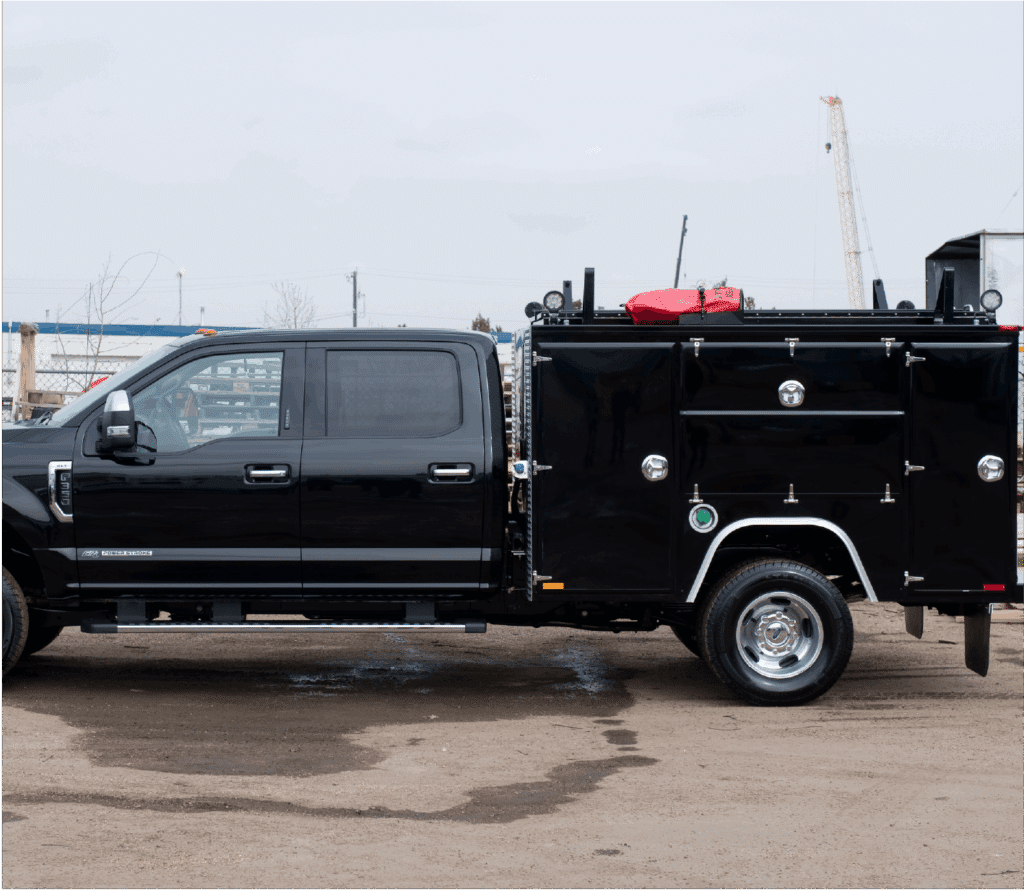
How To Extend The Lifespan Of Your Truck Body
Longevity Starts With Smart Maintenance
A truck body is a capital investment that directly impacts productivity, safety, and long-term operating costs. Whether you’re running a single service truck or managing a fleet, maximizing the lifespan of your truck body is not just about durability at the time of purchase. It is about consistent maintenance, strategic inspections, and proactive protection against the environmental and operational stresses that Canadian work conditions demand.
In Western Canada, where temperature swings, road treatments, and demanding workloads are constant factors, truck body maintenance is not optional. It is a performance strategy. Businesses that prioritize preventative care see longer service life, reduced downtime, and better return on investment from their equipment.
This guide outlines practical, field-proven methods to extend the life of your truck body, with a focus on corrosion prevention, structural integrity, and long-term reliability.
Understanding What Impacts Truck Body Lifespan
Before addressing maintenance strategies, it is critical to understand what causes deterioration in the first place. Truck bodies are exposed to multiple stress factors simultaneously:
Environmental Exposure
- Road salt and de-icing chemicals accelerate corrosion
- Moisture infiltration leads to rust formation
- Freeze-thaw cycles cause expansion and contraction stress
Operational Wear
- Heavy payloads and improper weight distribution strain structural components
- Frequent tool access leads to door hinge wear and latch fatigue
- Vibration from rough terrain impacts welds and fasteners
Material Degradation
- Paint breakdown exposes raw metal
- Seal failure allows water intrusion
- Coating erosion reduces corrosion resistance
Without intervention, these factors compound over time, reducing both structural integrity and operational efficiency.
The Foundation: Routine Truck Body Maintenance
Consistent maintenance is the most effective way to extend the lifespan of a truck body. This is not about occasional inspections, it is about building a structured routine.
Weekly Visual Inspections
Conduct quick but thorough checks for:
- Surface rust or paint damage
- Loose bolts, hinges, or latches
- Cracks near weld points
- Water pooling or drainage issues
Early detection prevents minor issues from escalating into costly repairs.
Monthly Functional Checks
Evaluate:
- Door alignment and seal integrity
- Compartment functionality
- Mounting points between body and chassis
- Electrical and lighting components
Quarterly Structural Review
A deeper inspection should include:
- Frame condition
- Underbody corrosion
- Load-bearing structures
- Coating integrity
This level of inspection is often best handled by a professional service team.
Truck Corrosion Prevention: The Most Critical Factor
Corrosion is the leading cause of premature truck body failure. Preventing it requires both proactive treatment and ongoing protection.
Wash Frequency Matters
In Alberta and Saskatchewan, where road salt is heavily used, regular washing is essential.
- Wash weekly during winter months
- Focus on underbody and hard-to-reach areas
- Use high-pressure systems to remove buildup
Protective Coatings
Applying protective coatings significantly slows corrosion:
- Undercoating for chassis and structural components
- Anti-corrosion sprays in enclosed compartments
- Protective wax or sealants on exposed surfaces
Paint Maintenance
Paint is the first line of defense. Any chip or scratch exposes metal to oxidation.
- Repair paint damage immediately
- Use high-quality industrial coatings
- Inspect high-impact zones regularly
Drainage Management
Water accumulation accelerates corrosion.
- Ensure drainage holes are clear
- Check compartment seals
- Avoid storing wet equipment inside enclosed spaces
Load Management and Structural Preservation
Improper use is one of the fastest ways to shorten the lifespan of a truck body.
Respect Payload Capacity
Overloading stresses the frame, welds, and mounting systems.
- Always operate within rated capacity
- Distribute weight evenly across the deck
- Avoid concentrated loads in one area
Secure Equipment Properly
Loose equipment causes internal damage over time.
- Use proper mounting systems
- Install dividers and storage solutions
- Prevent shifting during transport
Reduce Vibration Impact
Excessive vibration weakens structural components.
- Maintain suspension systems
- Inspect mounting hardware regularly
- Address unusual movement immediately
Seasonal Maintenance Strategies for Canadian Conditions
Truck bodies in Western Canada require seasonal adjustments to maintenance routines.
Winter Preparation
- Apply anti-corrosion treatments before snowfall
- Inspect seals to prevent moisture ingress
- Ensure all coatings are intact
Spring Recovery
- Perform deep cleaning to remove salt residue
- Inspect for hidden corrosion
- Address any damage caused during winter
Summer Optimization
- Check for UV-related paint degradation
- Inspect seals and rubber components
- Perform structural assessments after peak usage
Fall Readiness
- Reapply protective coatings
- Conduct full inspection before winter conditions
- Address any wear from summer operations
The Role of Professional Inspections
While internal maintenance routines are essential, professional inspections provide a deeper level of assessment.
What a Professional Inspection Covers
- Structural integrity analysis
- Weld condition and reinforcement needs
- Corrosion mapping and treatment recommendations
- Load-bearing capacity evaluation
Why It Matters
Professional service teams identify issues that are not visible during routine checks. This reduces the risk of unexpected failures and extends the usable life of the truck body.
Repair vs Replacement: Making the Right Decision
Not every issue requires replacement. Strategic repairs can significantly extend lifespan.
When to Repair
- Localized corrosion
- Minor structural damage
- Component wear (hinges, latches, seals)
When to Replace
- Widespread structural corrosion
- Compromised frame integrity
- Repeated failures impacting safety
A proactive maintenance strategy delays the need for replacement and maximizes asset value.
Customization and Longevity Go Hand in Hand
A properly built truck body designed for its intended use lasts longer.
Purpose-Built Design Advantages
- Reduced stress on components
- Improved weight distribution
- Enhanced durability in high-use areas
Cold-Weather Optimization
Truck bodies built for Canadian climates include:
- Insulated compartments
- Weather-resistant seals
- Coatings designed for extreme temperatures
These features directly contribute to long-term performance and reliability.
Downloadable Maintenance Checklist
To support ongoing maintenance, a structured checklist should include:
- Weekly inspection points
- Monthly functional checks
- Seasonal preparation tasks
- Corrosion prevention actions
This type of resource improves consistency and ensures no critical step is missed.
Why Maintenance Is a Competitive Advantage
Businesses that prioritize truck body maintenance benefit from:
- Reduced downtime
- Lower repair costs
- Extended asset lifespan
- Improved operational reliability
In high-demand industries, reliability is a differentiator. Equipment that performs consistently supports better service delivery and stronger customer outcomes.
Build Longevity Into Your Operation
Extending the lifespan of your truck body is not a single action, it is a system. It requires consistent maintenance, strategic inspections, and proactive protection against environmental and operational stress.
At General Body & Equipment, the focus is on durability, performance, and reliability. That commitment does not end at delivery. Ongoing service, repair, and maintenance support ensure that every truck body continues to perform in the conditions it was built for.
If you are looking to extend the life of your truck body or improve your maintenance strategy, professional support makes a measurable difference.
Visit Our Website: www.generalbody.ca
General Body & Equipment Headquarters
3707-97 Street NW
Edmonton, AB T6E 6J2
Saskatoon Branch
3410 Millar Avenue
Saskatoon, SK S7K 5Y7
Essential Takeaways
What is the best way to extend the lifespan of a truck body?
Consistent maintenance, including routine inspections, corrosion prevention, and proper load management, is the most effective strategy.
How often should a truck body be inspected?
Weekly visual inspections, monthly functional checks, and quarterly structural reviews are recommended for optimal performance.
Why is corrosion prevention important for truck bodies?
Corrosion is the leading cause of structural failure and significantly reduces the lifespan of truck bodies if not addressed early.
What role does washing play in maintenance?
Regular washing removes salt, debris, and moisture that accelerate corrosion, especially in winter conditions.
When should a truck body be professionally inspected?
At least once per year or after heavy seasonal use to identify hidden structural or corrosion-related issues.